

Precise Subfloor Preparation
Effective floor tiling begins with a level and stable subfloor. This ensures the tiles settle flat without unexpected movement, essential for large format tiles and long-term performance.

Property Improvement Specialists
Precision is essential in floor tiling-completed once, completed correctly, and created to endure.

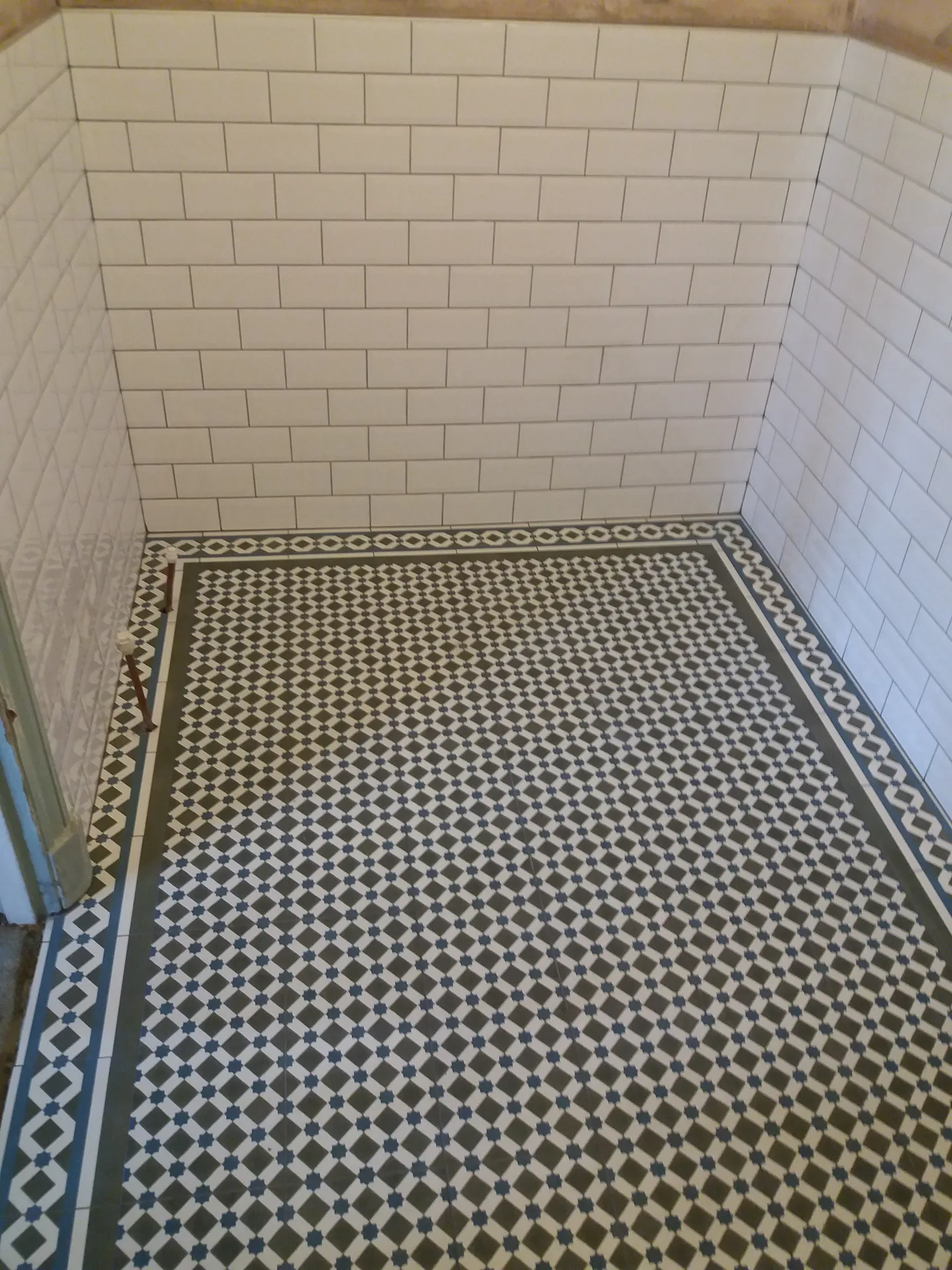
Homeowners aiming to enhance their kitchens, bathrooms, or living spaces greatly benefit from expert floor tiling. The correct installation of porcelain, ceramic, or natural stone tiles in Tonbridge guarantees durability and a polished finish. We focus on thorough subfloor preparation in your area to prevent unevenness and extend the life of your floors.
Businesses requiring dependable floor tiling in Tonbridge for high-traffic areas need precision and lasting outcomes. Whether it's a retail space or an office, selecting the right tiles and flawless installation is crucial. Professional floor tiling performed by experienced tradespeople minimizes maintenance concerns and maintains a safe and appealing environment.
Transforming garages or unused areas into functional spaces demands meticulous floor tiling for the new use requirements. The subfloor must be leveled and prepped to support large format tiles seamlessly without shifting. We bring 30 years of experience to create floors that withstand everyday use and fit the intended purpose perfectly.
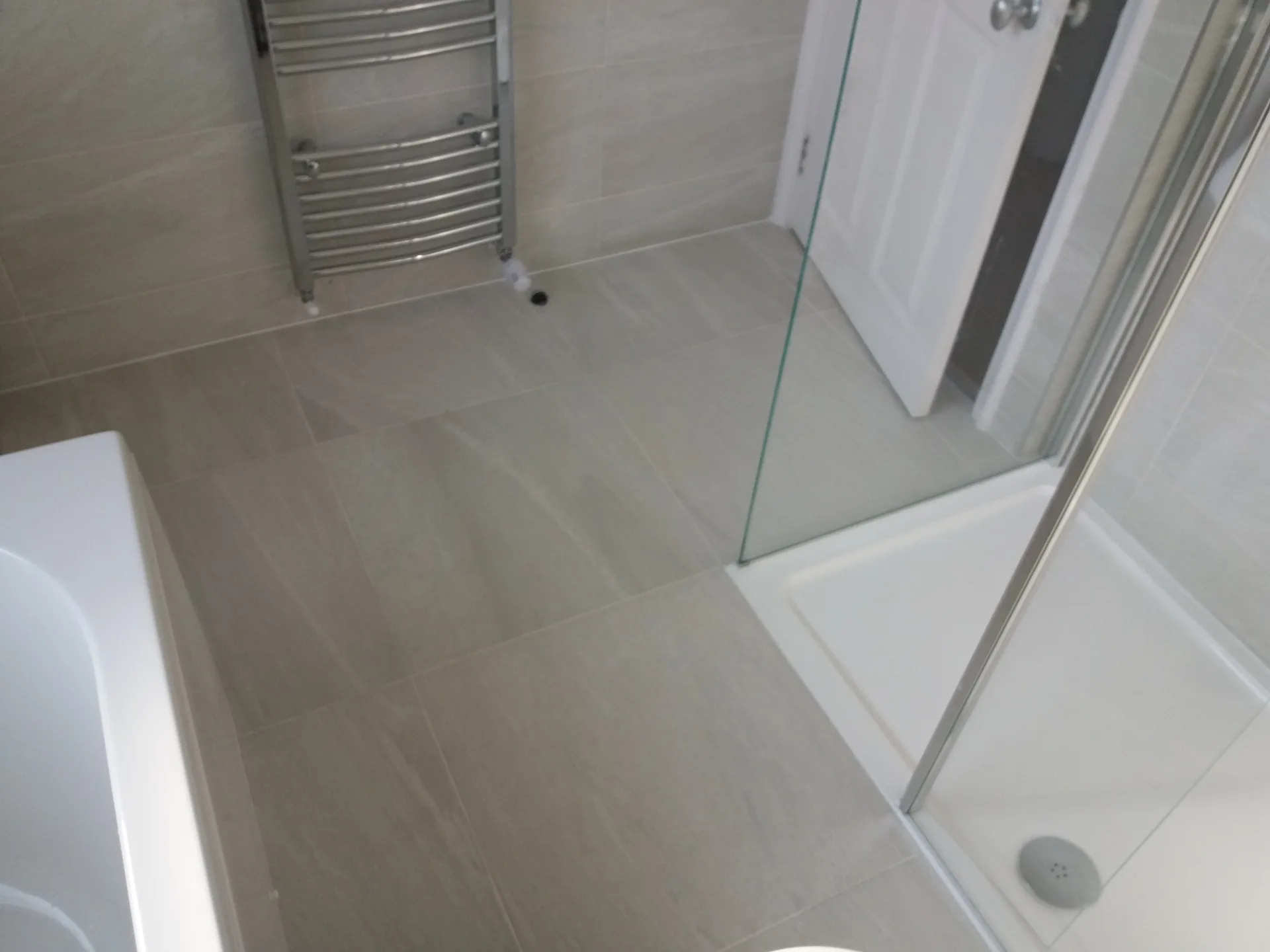
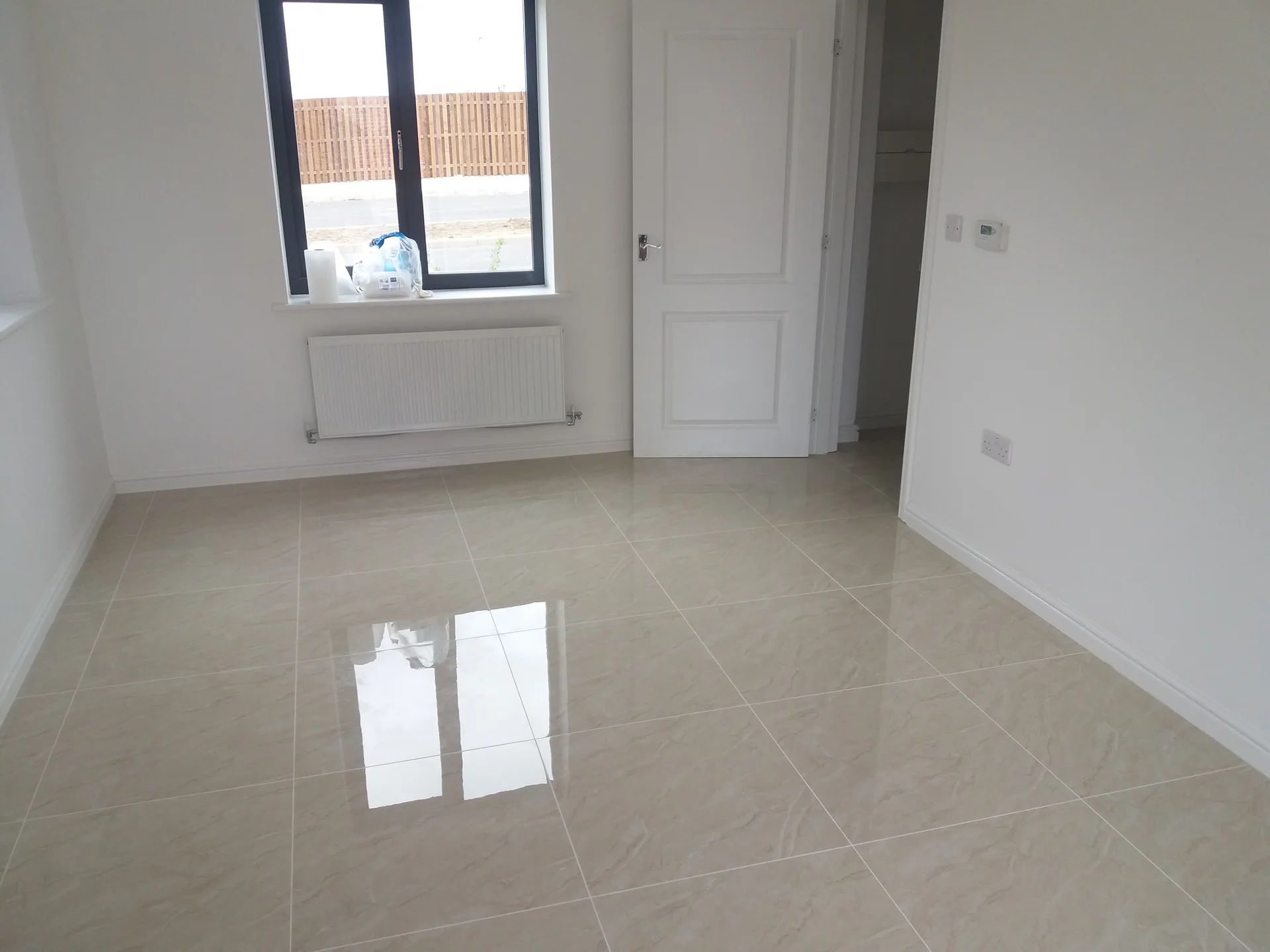
Grout lines collect kitchen spills quickly. Bleach breaks down cement fillers over time. When we carry out floor tiling in Tonbridge homes, we tell owners to swap acidic detergents for warm water and neutral soaps to stop early discolouration around high-traffic doorways. Stiff bristled brushes scrape sealant off porous tiles.
Heavy barstools scratch glaze. Felt pads help underneath metal feet. Dragging a washing machine across an unsealed utility floor shears edges instantly, so lifting appliances onto cardboard runners prevents sudden chips. Salt walked in from winter pavements grinds polished faces down.
Effective floor tiling begins with a level and stable subfloor. This ensures the tiles settle flat without unexpected movement, essential for large format tiles and long-term performance.
Planning and measuring help reduce waste and control costs. With professional floor tiling in Tonbridge, you acquire exactly what is necessary without the risk of overordering or running into last-minute shortages.
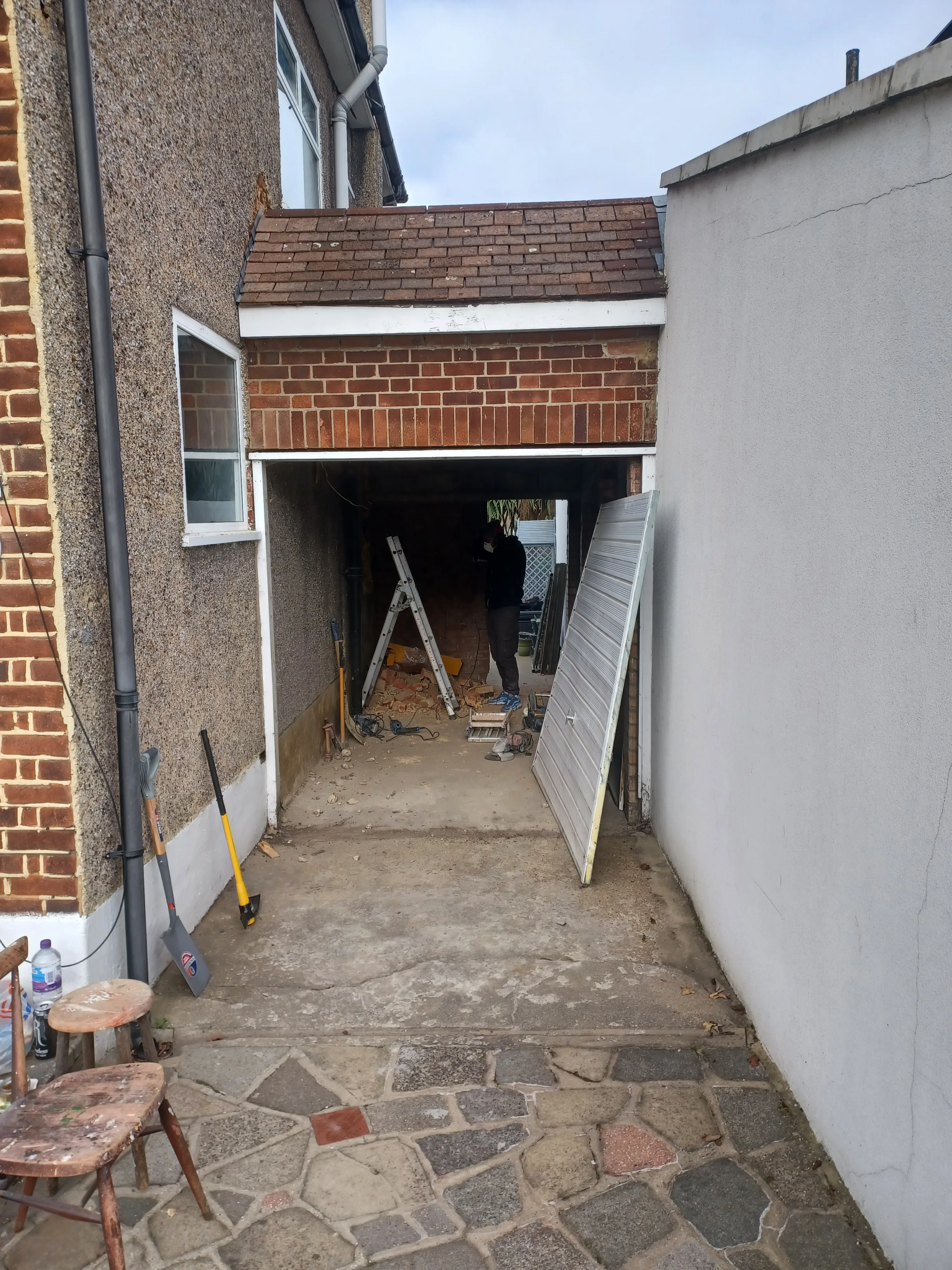
Utilizing appropriate adhesives and grouts for porcelain, ceramic, or natural stone ensures that the floor endures daily usage and moisture exposure, particularly in kitchens and bathrooms.
Careful tile alignment and grout application yield a tidy, uniform appearance. Professional floor tiling prevents uneven joints and messy grout lines that can detract from the look and functionality.
We prioritize clear communication, formal agreements, and timely completion. Partnering with us means no surprises and a straightforward process from beginning to end.
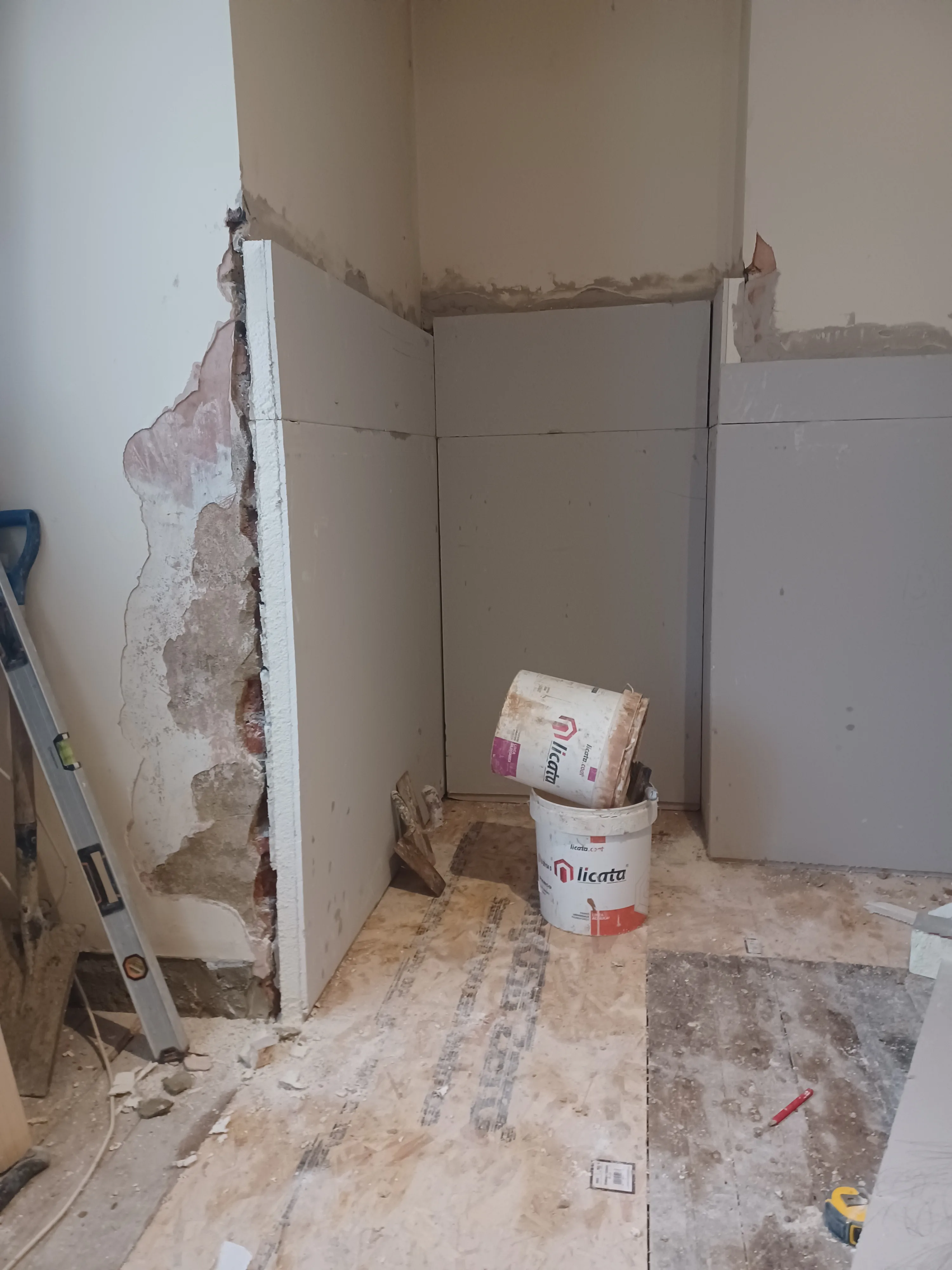
Floor tiling preparation starts well before the tiles are applied. The foundation of a flat, stable surface lies in preparing and leveling the subfloor. We devote significant time here to ensure the floor won’t shift or crack later. Whether using porcelain, ceramic, or natural stone, the right groundwork ensures tiles are positioned perfectly and last for years.
After the preparatory work, floor tiling requires thoughtful layout and fitting. Tiles are meticulously aligned, maintaining consistent spacing and strong adhesive appropriate for the material and conditions of the room. This attention to detail avoids complications such as uneven surfaces or grout issues. With over 30 years of experience, we deliver floors that are both robust and visually uniform.
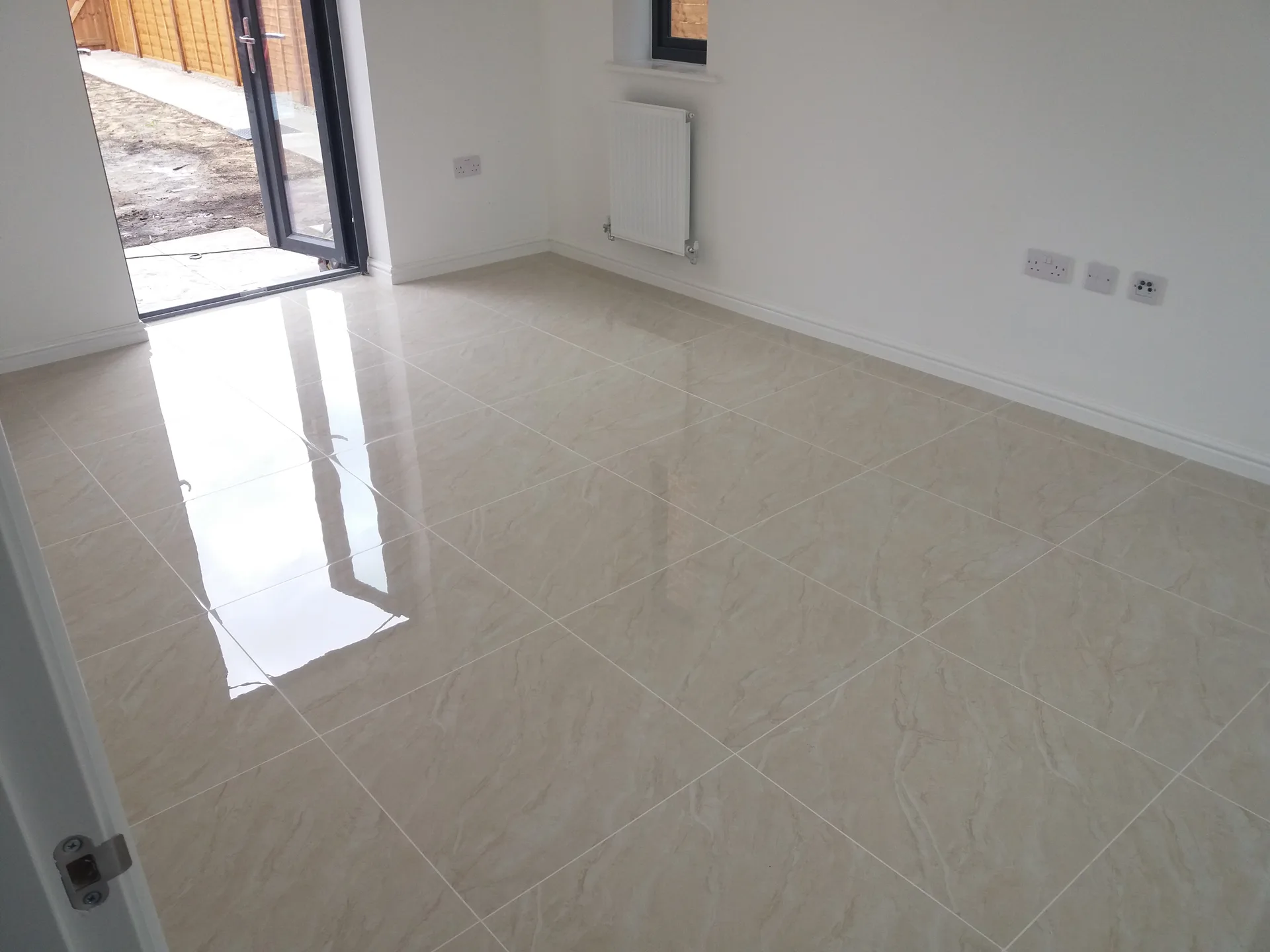
We begin floor tiling projects by accurately measuring the area to calculate materials and address any challenges early. This preparatory step guarantees clarity in the project and that the floor tiling process proceeds smoothly.
The subfloor is thoroughly cleaned, leveled, and primed to create a solid, flat base. Proper preparation here is vital, especially for larger tiles, to avoid uneven surfaces or tiles shifting underfoot.
We arrange the tiles before installation to ensure alignment and spacing correspond to the planned design. This practical layout avoids unnecessary cuts in awkward areas, ensuring the floor tiling looks professional and coherent.
By selecting the appropriate adhesive for the tile type and environment, we carefully lay tiles, maintaining straight lines and consistent gaps. This phase demands high precision to secure durability and exquisite finish.
Once the adhesive is set, we apply grout and clean thoroughly. We seal grout lines as necessary to protect against moisture and stains, finalizing the floor tiling with a polished, enduring surface.
Empty rooms make work safer. Radiators need bleeding and removing beforehand. For homeowners needing floor tiling in Tonbridge hallways, boxing up loose wiring and taking coats off wall pegs prevents dusty plaster and adhesive splatters from ruining household fabrics. Old timber baseboards need lifting before work starts.
Fresh mortars release moisture steadily. Drafts can cause uneven curing. Keep external French doors closed while setting compounds dry, but leave top trickle vents open so damp air escapes without blowing gritty dust across wet tiles. Access routes through adjoining rooms require polythene floor sheeting.
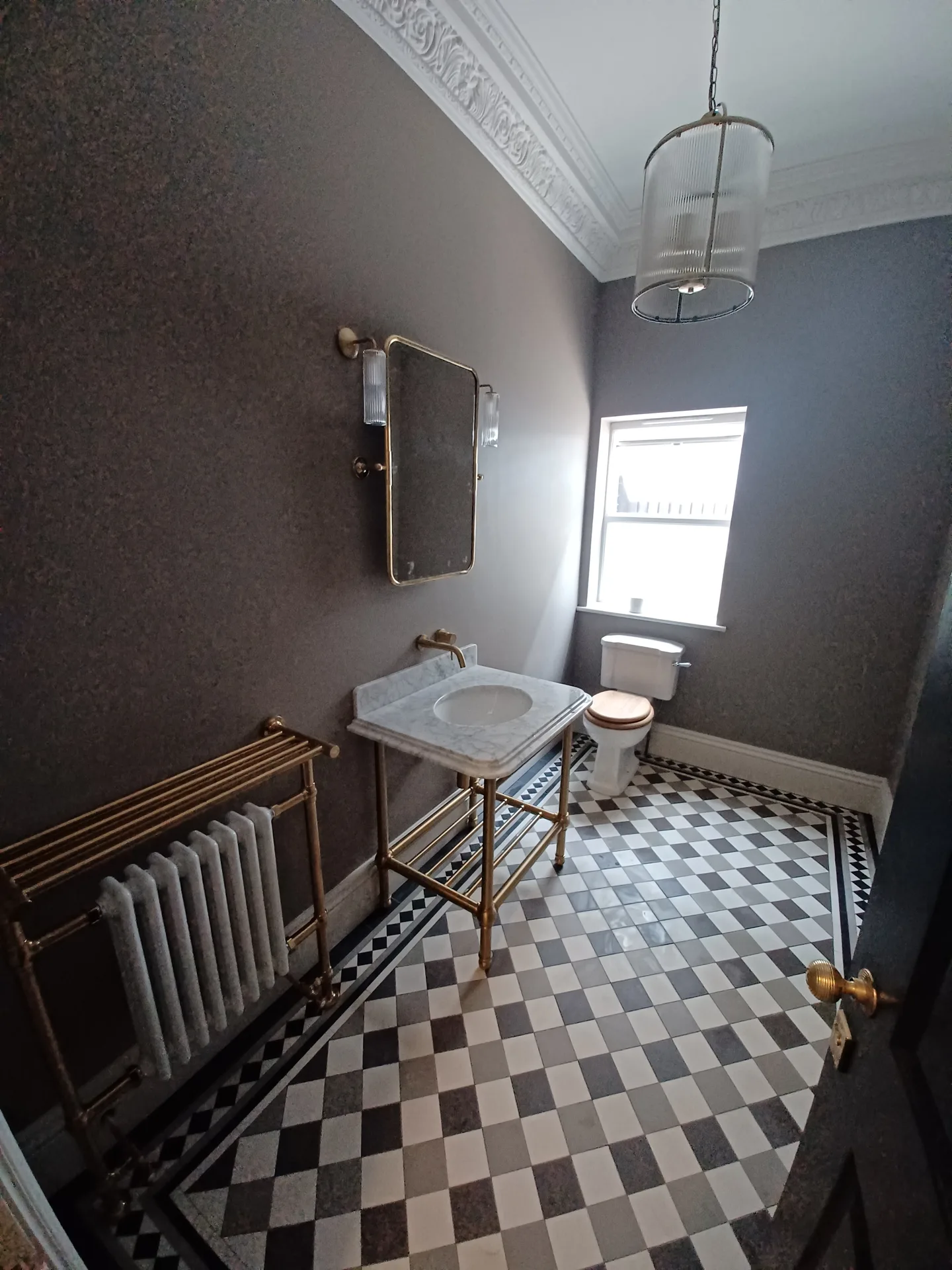
Chilly weather slows mortar hydration. Freezing drafts cause bond failures. If you schedule floor tiling in Tonbridge during deep winter, keep background radiators on low rather than blasting industrial fan heaters directly at cold screed. Shock heating cracks setting adhesive beds.
Hot summer sun dries beds prematurely. Adhesive skins over rapidly under skylights. Spraying a light water mist on hot masonry stops rapid moisture loss before tiles bed down firmly into place. Sun blinds should stay drawn throughout midday.
Damp subfloors reject adhesives. Moisture readings must match technical charts. Autumn rains often push humidity up through uninsulated ground slabs, making membrane testing essential before setting porcelain. Trapped water pops loose slabs later.
Floor tiling in Tonbridge
Expert Preparation
The quality of floor tiling depends heavily on the surface beneath it. Our team dedicates much effort to preparing and leveling the subfloor, ensuring that large format tiles lay flat and won’t shift. This meticulous groundwork helps to avert problems like cracking or uneven wear, common when prior preparations are rushed or neglected. Reliable floor tiling begins with a firm, steady foundation.
Establishing floor tiling involves more than simply placing tiles. Each tile is carefully measured and aligned to adhere to the planned layout, using the right adhesives and grouts suited for the material and conditions of the space. We apply this practical experience to provide flooring that not only looks correct but also withstands regular use, particularly in kitchens and bathrooms where resistance to moisture is essential.
We proudly serve Tonbridge and the surrounding area, providing professional floor tiling services. Call us to discuss your project or to schedule a free estimate.
The Google map loads after you accept marketing cookies.
Real feedback from homeowners across South East London and Kent who trusted us with their renovations.

Very satisfied with the service! Excellent communication, clean workmanship, and everything completed professionally. Highly recommended!
Our services
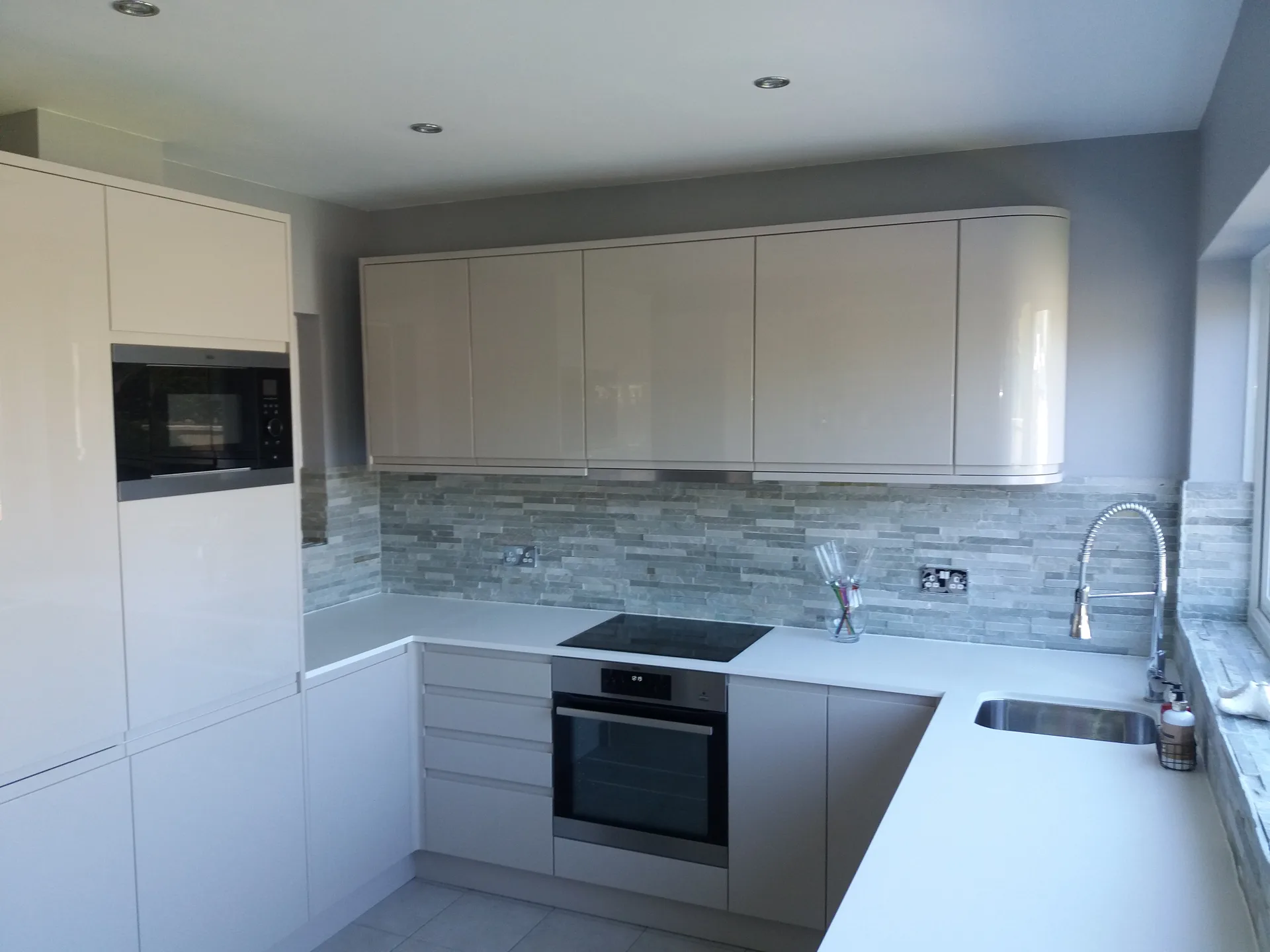
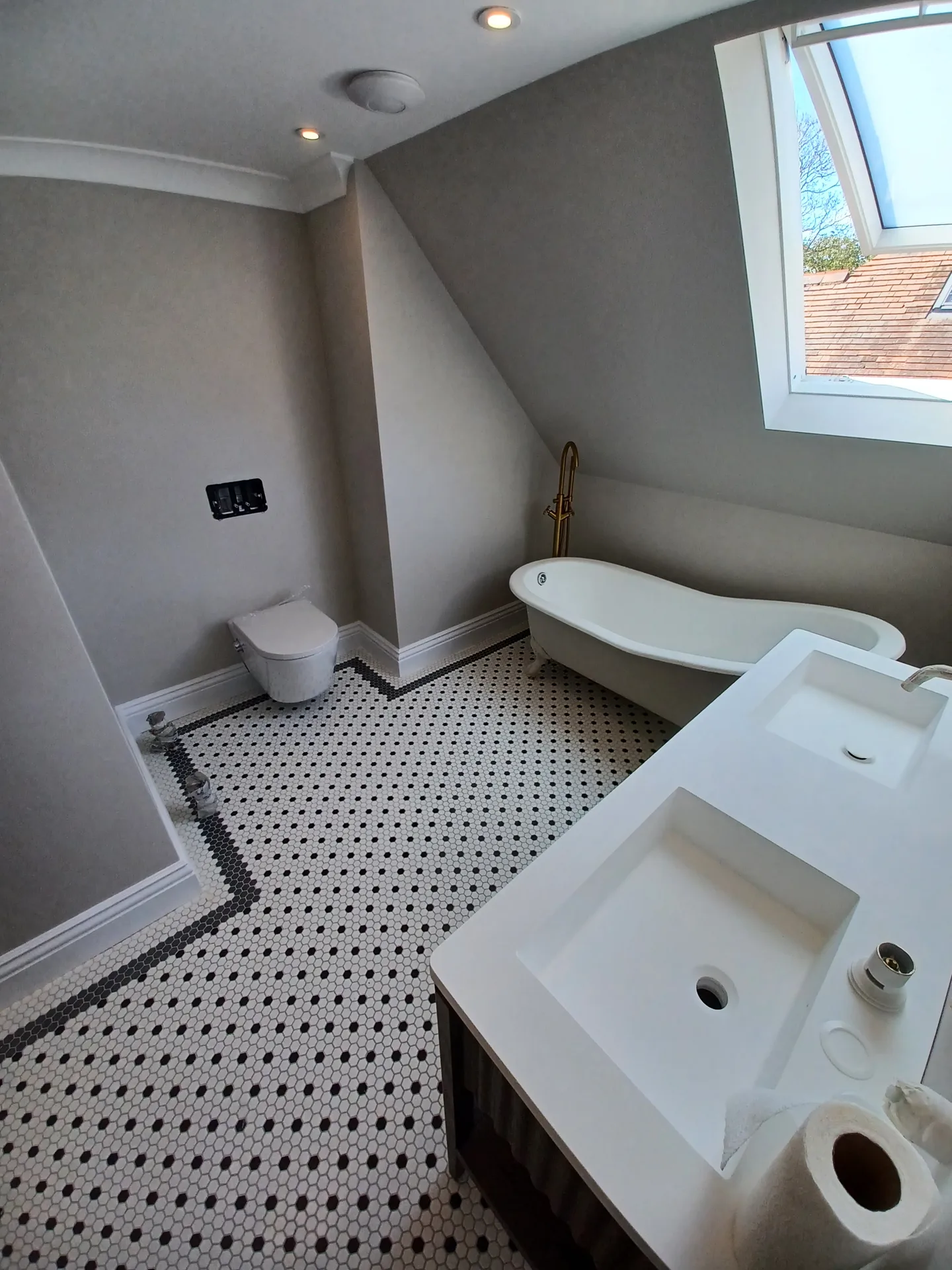
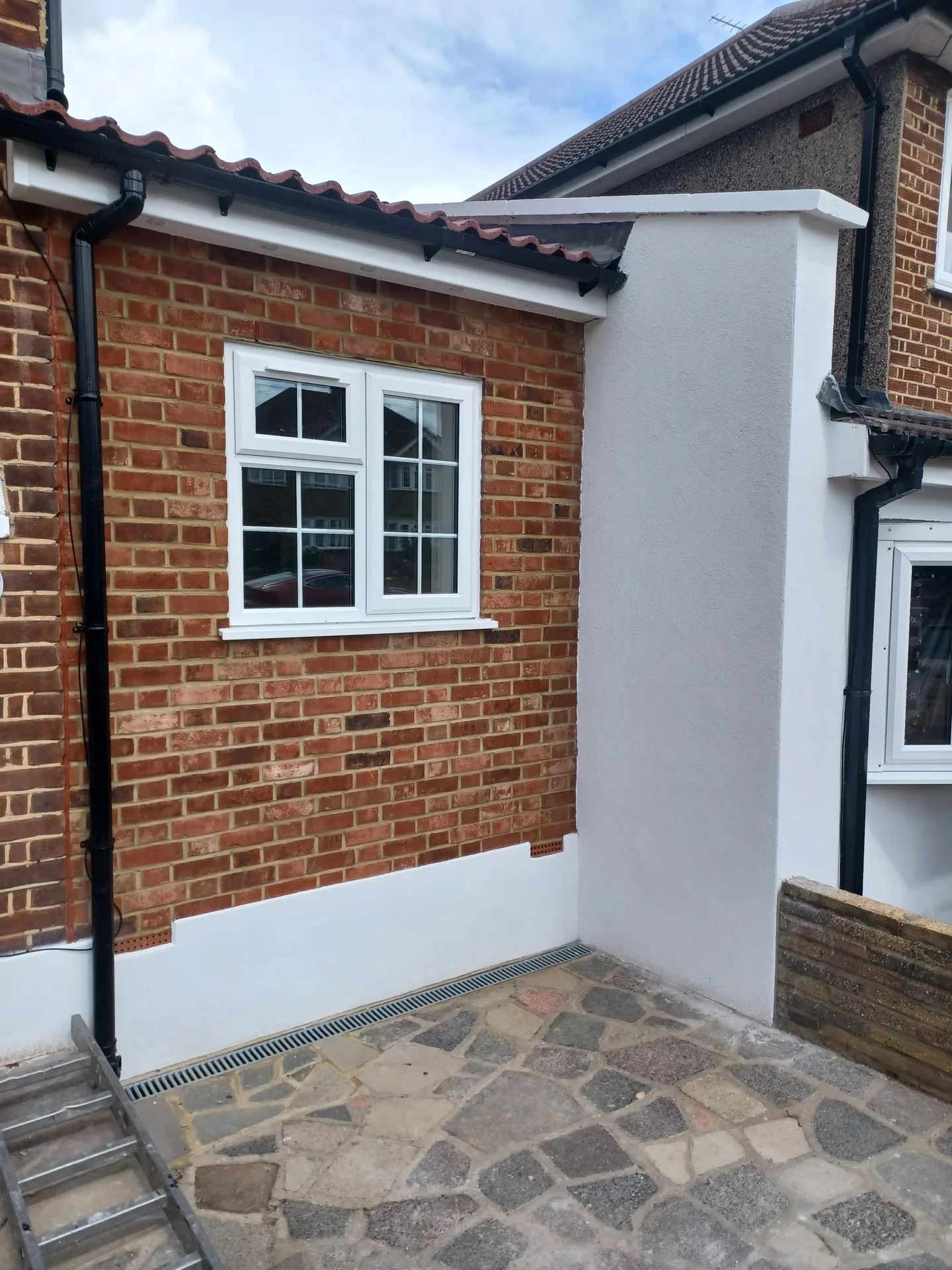
OUR PROJECTS
Every project delivered by our builders leaves a finished space clients are proud to live in.
We are builders serving Swanley and every property within a 10-mile radius across South East London and Kent.
Everything starts with viewing the actual rooms, measuring floors, and checking subfloor movement. We agree on threshold details, clear the surface, set down tiles, apply grout, and finally inspect the whole space alongside you before leaving the area clean.
Unforeseen damp beneath old carpets often delays tiling in Tonbridge because moisture stops adhesive from binding. Hidden pipe leaks, rotten joists, or severely uneven screeds must be dried and repaired properly before any work continues safely.
Porcelain suits busy entryways better than ceramic because porcelain is denser, absorbs minimal water, and withstands impacts without chipping easily. Softer natural stone looks distinctive, but it demands regular sealing to prevent oil and muddy shoe stains.
We inspect every joint and check all edges across the room alongside you before leaving. If a threshold trim needs trimming or a silicone bead looks light after drying, we return to tidy it up promptly.
